

















Home / What We Do / Consulting

Digital Transformation.

Transformation fails when it arrives all at once. We sequence it: the changes that pay back this quarter go first and fund the ones that take a year. Your team keeps operating throughout, because nothing gets switched off before its replacement is proven.

Change your organization can absorb.

Digital transformation is not a software purchase. It's the work of changing how the business runs — the processes, the systems underneath them and the habits around both. The technology is usually the easiest third. We plan for the other two.

  • Sequenced — quick wins first, so momentum and savings fund the harder work.
  • Reversible — each step is safe to stop at; nothing depends on the whole plan landing.
  • Measured — every phase has a number attached that says whether it worked.
  • Owned — your team is trained into the new way of working, not handed a manual.
Where transformation programs land.

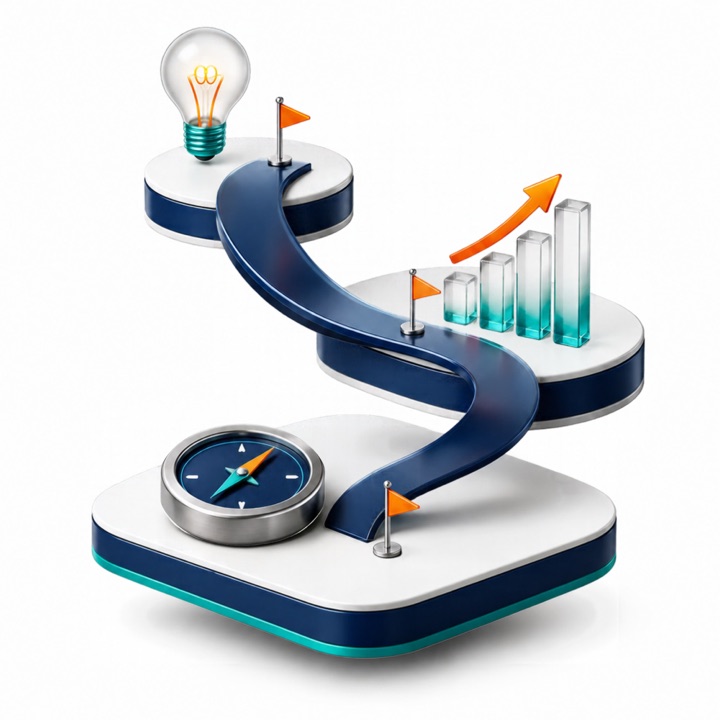
Transformation Roadmap

A prioritized, costed sequence of change — what happens in the next quarter, what waits, and the number that proves each phase worked.

Process Digitization

Paper, email and spreadsheet workflows turned into systems with audit trails. Approvals, handoffs and status stop living in someone's inbox.

Legacy Modernization

Ageing systems replaced or wrapped incrementally, with the old and new running side by side until the new one has earned the traffic.

Cloud & Data Foundation

The platform layer transformation depends on — elastic infrastructure and governed data, without which every later phase stalls.

Experience Redesign

Customer and employee journeys reworked around what people are actually trying to do, then rebuilt in software.

Change Enablement

Training, documentation and internal champions — the part most programs underfund and then blame for the failure.

The people behind your build.

Designers, engineers and consultants who sit beside your team, from the first workshop to launch day and the months after it.

Meet PineBix
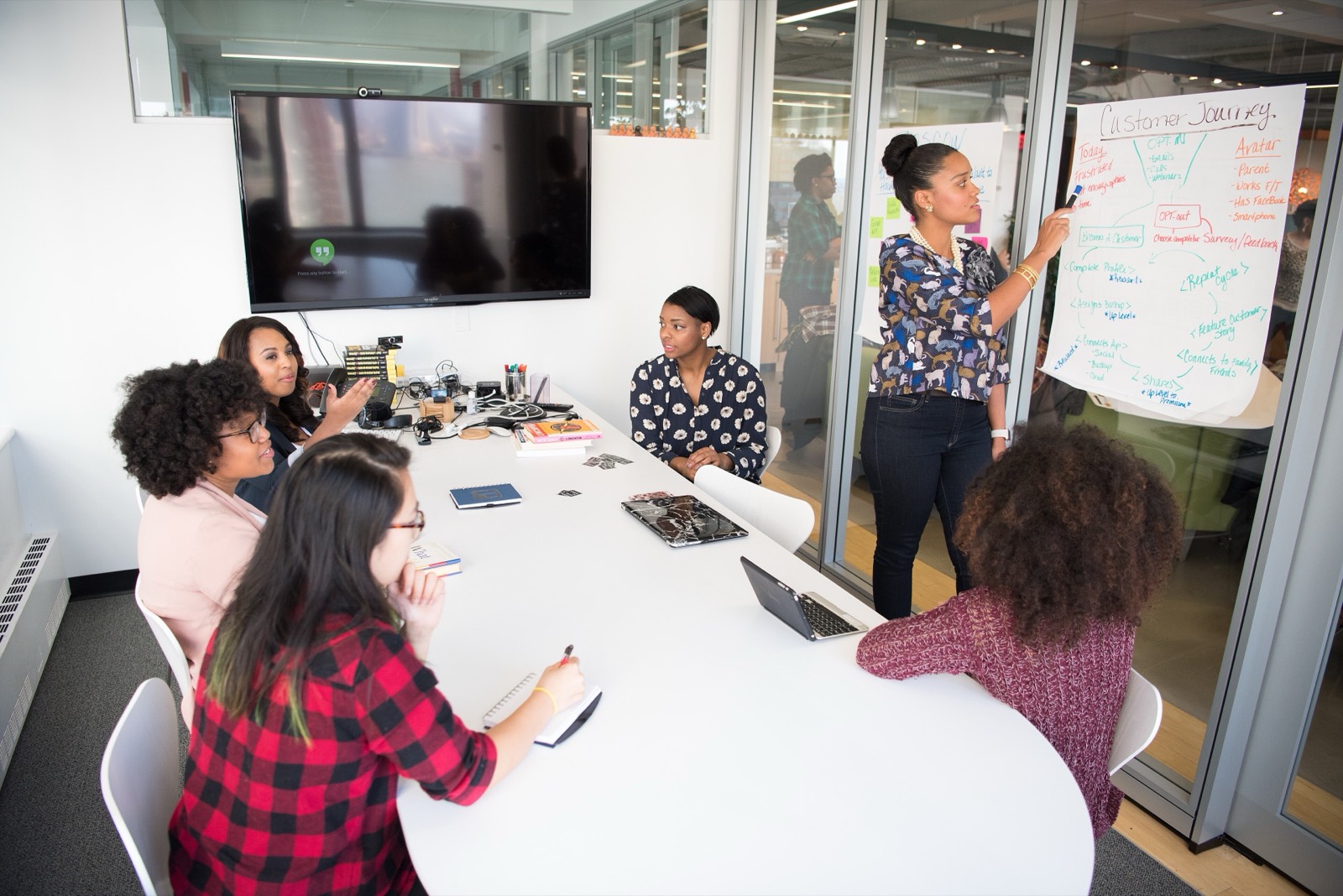
A team lead presenting a plan at a flip chart
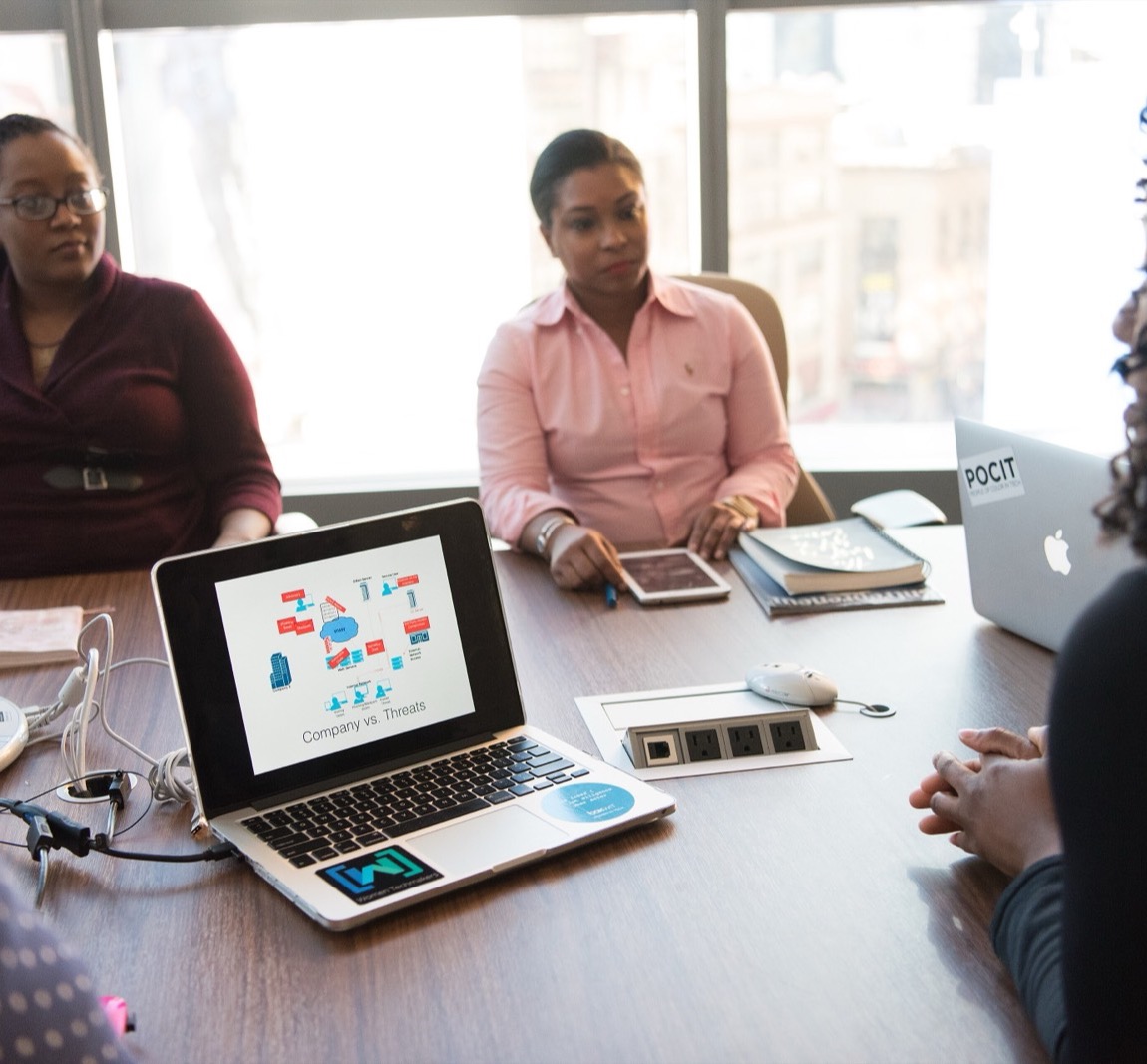
Colleagues reviewing a design on a laptop
Two colleagues talking through an idea

How a transformation runs.

  1. 01

    Diagnose

    Where time and money actually go today — measured through process walkthroughs and system data, not an assumption workshop.

  2. 02

    Prioritize

    Every candidate change scored on payback, risk and disruption. The roadmap is the ranked list, with a stated cut line.

  3. 03

    Pilot

    The first change runs in one team or one region. Real users, real data, a real number at the end.

  4. 04

    Scale

    What worked in the pilot rolls out with the lessons folded in. What didn't gets cut without ceremony.

  5. 05

    Embed

    Ownership, training and documentation handed over so the new way survives the people who introduced it.

What usually changes first.

Manual Handoffs

The approvals and status updates that move by email. Cheapest to fix, fastest visible payback, and they build the trust needed for the bigger phases.

Duplicate Data Entry

The same information keyed into three systems. Integration here removes both the cost and the disagreements between systems.

Reporting Lag

Decisions made on last month's numbers. Automated reporting shortens the loop between what happened and what you do about it.

Single Points of Failure

The spreadsheet only one person understands, the server nobody wants to restart. These get documented and replaced early.

Customer Friction

The steps where customers drop out or call support. Measured first, redesigned second.

What we build with.

Cloud

The right cloud strategy before the first move

  • AWS
  • Microsoft Azure
  • Google Cloud
  • Kubernetes

Integration

  • REST & GraphQL APIs
  • Event streaming
  • iPaaS
  • Webhooks

Automation

  • Workflow engines
  • RPA
  • CI/CD pipelines
  • Infrastructure as code

Data

Sensitive data classified, protected and governed

  • Warehouses & lakehouses
  • Power BI
  • Tableau
  • dbt

Applications

  • React & Angular
  • Node.js
  • Java & .NET
  • Python

Ways of Working

  • Agile delivery
  • DevSecOps
  • Product ownership
  • Design systems

Common questions.

How long does a transformation take?

The program can run for a year or more, but you shouldn't wait that long to see returns. We aim for the first measurable win inside the first quarter — if a roadmap has nothing landing for six months, it's been sequenced badly.

Will this disrupt our operations?

Old and new run in parallel wherever it's technically possible, and each phase is designed to be safe to pause. Cutover happens after the replacement has handled real work, not before.

What if our team resists the change?

Usually that signals the change was designed without them. We involve the people doing the work during the diagnose phase, pilot with volunteers, and let early results do the persuading.

Do we have to replace our existing systems?

Frequently not. Wrapping a legacy system with an API and modernizing around it costs a fraction of replacement and carries far less risk. Replacement is a decision we justify, not assume.

Have an idea? Let’s build it together.

Tell us what you are trying to achieve. You get an honest assessment, a clear roadmap and a free quote within one business day.

Start your project or write to sales@pinebix.com