























Home / Resources
Learn before you build.
Guides written from real delivery experience, case studies from our own products, and straight answers to the questions every client asks.

Practical reading, zero fluff.
Want one of these topics explored for your specific situation? Ask us directly — advice is free.

Custom Software vs Off-the-Shelf: How to Choose
Packaged tools win on day one; custom software wins on year three — sometimes. The honest decision comes down to three questions: does the tool match your core workflow, what does adapting cost you monthly, and who owns your data? We walk through each with real numbers.

The Small-Business Cloud Migration Checklist
Before you move to AWS or Google Cloud: inventory what you run, map dependencies, benchmark current costs, plan the rollback, and rehearse the restore. This checklist covers the twelve checkpoints that separate smooth migrations from painful ones.

Website Redesign Without Losing Your SEO
A redesign that ignores search equity can erase years of rankings overnight. Preserve URLs or redirect them properly, keep your metadata and structured data intact, and benchmark Core Web Vitals before and after — here's the full playbook.

Why Offline-First Software Wins in the Real World
Networks fail; your software shouldn't. From clinics with patchy connectivity to an AI that analyzes 1,500 stocks on a Raspberry Pi, we've learned that designing for offline first produces faster, more resilient products everywhere.
Products that prove the process.
We don't just build for clients — we design, develop and run our own products. They're our proving ground for every technology and practice we recommend.
RogueVault
A secure vault application that keeps sensitive personal data locked and private — encryption-first design with a deliberately simple user experience.

AutoStand
A ride-hailing platform for autos, bikes and cabs with transparent pricing — booking in under a minute, no surge games, no hidden fees.
OperArchitech
Project tracking and structural planning for architecture professionals who need serious tooling that travels to the site with them.

Master Brain
A fully offline AI for the Indian share market that scans 1,500 NSE stocks daily and retrains its own models — running entirely on a Raspberry Pi, no cloud required.

MedLedger
A digital health-records ledger for clinics and patients — prescriptions, lab reports and history, organized and securely stored in one place.

Neclues
A connected-practice hub that brings doctors, labs and pharmacies into one workflow — appointments, diagnostics, reports and follow-ups.

Klinik
Lightweight clinic management — appointments, patient queues, billing and follow-ups for small and mid-size clinics that want less paperwork.
The people behind your build.
Designers, engineers and consultants who sit beside your team, from the first workshop to launch day and the months after it.
Meet PineBix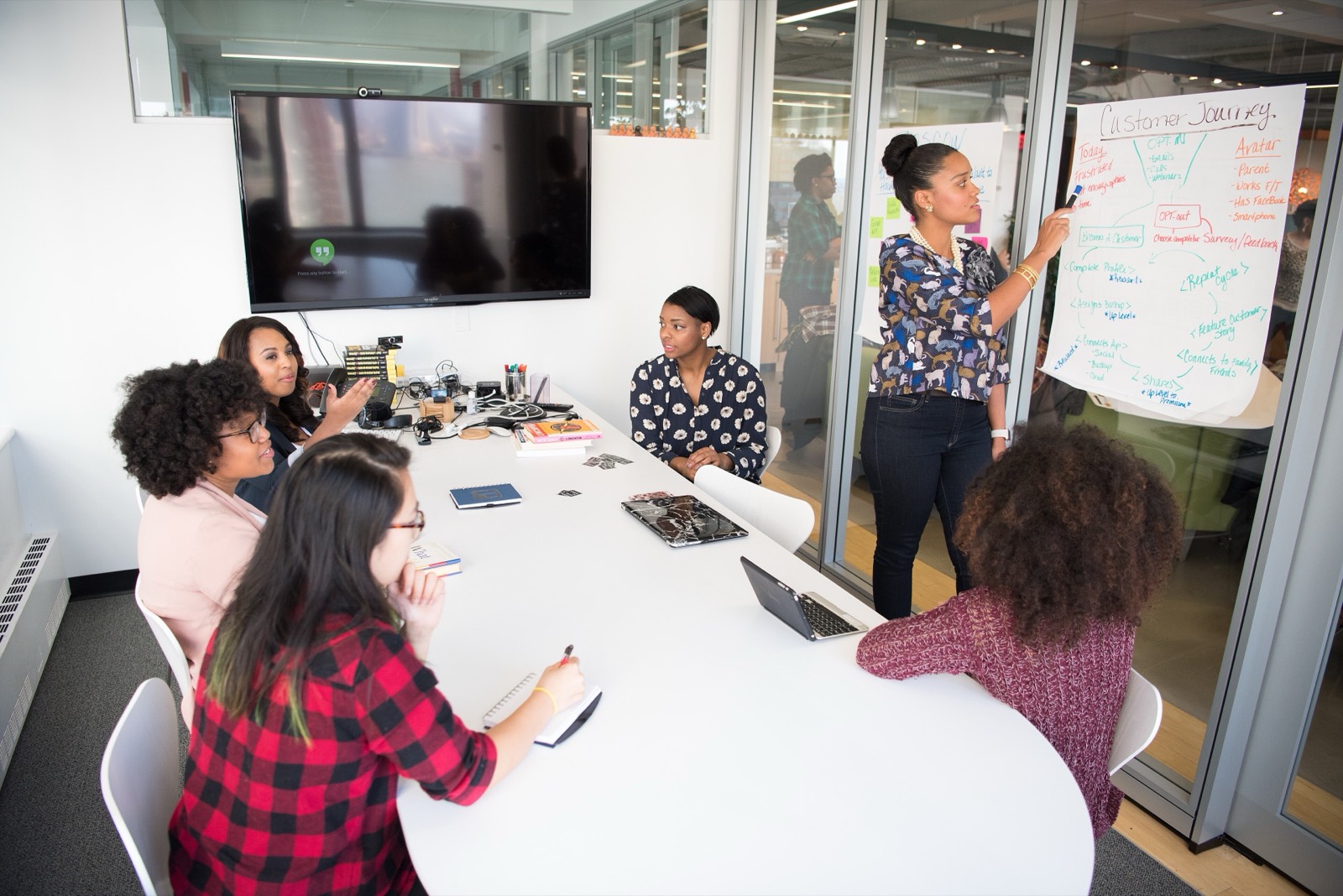


Questions clients ask most.
How much does a website or web portal cost?
It depends on scope: a brochure website, an e-commerce store and a multi-role web portal are very different builds. We scope every project individually and give a fixed, itemized quote within one business day of understanding your requirements — with no obligation.
How long does a typical project take?
A standard business website usually takes 2–4 weeks, an e-commerce site 4–8 weeks, and a custom portal or CRM 8–16 weeks depending on features. You see working builds throughout, so progress is never a mystery.
Do you work with existing websites and systems, or only new builds?
Both. We regularly redesign and modernize existing websites, take over maintenance of legacy systems, and integrate new modules with the software you already run.
Which technologies do you use?
We match the stack to the job: WordPress, Drupal or Joomla for content-driven sites; PHP, Java (Spring, Hibernate) or Python for custom back-ends; AngularJS and modern JavaScript on the front end; Oracle, SQL Server, MongoDB, Redis or Cassandra for data; and AWS or Google Cloud for hosting.
Will my website work on mobiles and tablets?
Yes — every site we ship is responsive by default and tested across phone, tablet and desktop sizes, and we treat page speed and accessibility as launch requirements, not extras.
Do you provide support after launch?
Yes. Every project includes a post-launch support window, and we offer ongoing care plans covering updates, security patches, backups, monitoring and small improvements.
Have an idea? Let’s build it together.
Tell us what you are trying to achieve. You get an honest assessment, a clear roadmap and a free quote within one business day.